
Categories
Things To Do and Outdoor ActivitiesPublished August 30, 2025
Bear Lake Corridor Guide: Best Hikes, Lakes, and Permit Tips in Rocky Mountain National Park
Bear Lake Corridor Guide: Best Hikes, Lakes, and Permit Tips in Rocky Mountain National Park
If you have ever seen a postcard from Rocky Mountain National Park, there is a good chance it was taken somewhere along the Bear Lake Corridor. This 10-mile stretch of road runs from the Beaver Meadows entrance station all the way up to Bear Lake, passing alpine lakes, trailheads, wildlife-rich meadows, and some of the most photographed scenery in Colorado. It is one of the most visited areas in the park for good reason.
Whether you are considering a move to Estes Park, planning a visit to explore the area, or already call this mountain community home, the Bear Lake Corridor is a place you will want to know well. This guide breaks down every major stop along the route, from sunrise photography spots to hidden trailheads, along with practical tips on permits, parking, and the free shuttle system that makes exploring this corridor stress-free.
Planning Your Visit: Permits, Parking, and Timing
Because the Bear Lake Corridor is so popular, planning ahead is essential. From late spring through mid-fall, a timed entry permit is required during daytime hours to access Bear Lake Road. These permits are separate from general park admission, so you need to specifically reserve the Timed Entry + Bear Lake Road option if you are heading into this area.
Permits are available through Recreation.gov, and there is a $2 processing fee per vehicle. It is important to know that the timed entry dates and access windows change each year, so before you visit, check the official Rocky Mountain National Park website for the latest information and updates.
If you are an early bird, you can enter the Bear Lake Corridor without a permit before 5:00 a.m. or after 6:00 p.m. in the evenings. This is a great option if you want to avoid the crowds and catch the kind of sunrise or sunset light that makes this place truly special.
Parking is extremely limited throughout the corridor, especially in the summer months. The Park and Ride lot, located just off Bear Lake Road near the Glacier Basin Campground, is your best bet. From there, free shuttles run regularly and connect you to all the major trailheads including Bear Lake, Glacier Gorge, and Sprague Lake. We will cover the shuttle system in more detail later in this guide.
Start Your Morning at Sprague Lake
If you are a sunrise person (or just want to pretend you are), Sprague Lake is your spot. This flat, ADA-accessible loop makes it easy for anyone to enjoy, and the reflections here in the early morning light are simply next level. Later in the day, it tends to be a little quieter than some of the bigger trailheads, making it a great place to slow down, breathe in the mountain air, and just enjoy being here.
Pro Photography Tip: If you are coming up for sunrise on a cloudy morning, position yourself on the parking side of the lake to capture the sunrise glow in the clouds on the east side. On a clear morning with no wind, walk about a quarter of the way around the lake to the opposite side. From there, you will get stunning shots of the sun hitting the mountaintops (sometimes they turn purple) with amazing reflections on the still water.
Sprague Lake is also one of the best spots in the corridor for wildlife viewing. If you visit in the early morning or late evening, there is a good chance you might see a moose near the water.
Storm Pass Trailhead: The Hidden Gem
Just a short drive up from Sprague Lake, Storm Pass Trailhead is one of the corridor's best-kept secrets. If you are looking to escape the crowds, this is where you want to be. You will get open views of the Continental Divide right from the start, and it serves as the gateway to bigger adventures like hiking up to Estes Cone or connecting deeper into the park's trail network.
This is also one of the top photography spots along Bear Lake Road. Literally about 100 yards from the parking lot, if you head to the trail on the right, you will find a water view with the Continental Divide as a backdrop. Keep your eyes open for moose or elk in the willows below.
One challenge: there are only four parking spots plus one accessible spot at Storm Pass. Get here early, or check for overflow parking at the nearby Bierstadt Lake Trailhead just up the road.
Glacier Gorge: Gateway to Waterfalls and Alpine Lakes
Glacier Gorge is one of the corridor's major trailheads, featuring a larger parking area and access to some of the park's most popular destinations. From here, trails lead to Alberta Falls, The Loch, and Mills Lake. The trail from Glacier Gorge also connects up to the Bear Lake area, so you can pick where you want to start and end your hike, then catch one of the free shuttles back to your car.
This interconnected trail system is one of the best features of the Bear Lake Corridor. You are never locked into an out-and-back route, and the shuttle system gives you the flexibility to design your own adventure.
Bear Lake: The Iconic Heart of the Corridor
Bear Lake is the Rocky Mountain National Park classic. The 0.7-mile loop is accessible for just about everyone, and it frames Hallett Peak perfectly. Any time of day, you will find the reflections on the water and that classic pine-and-peak backdrop that never gets old.
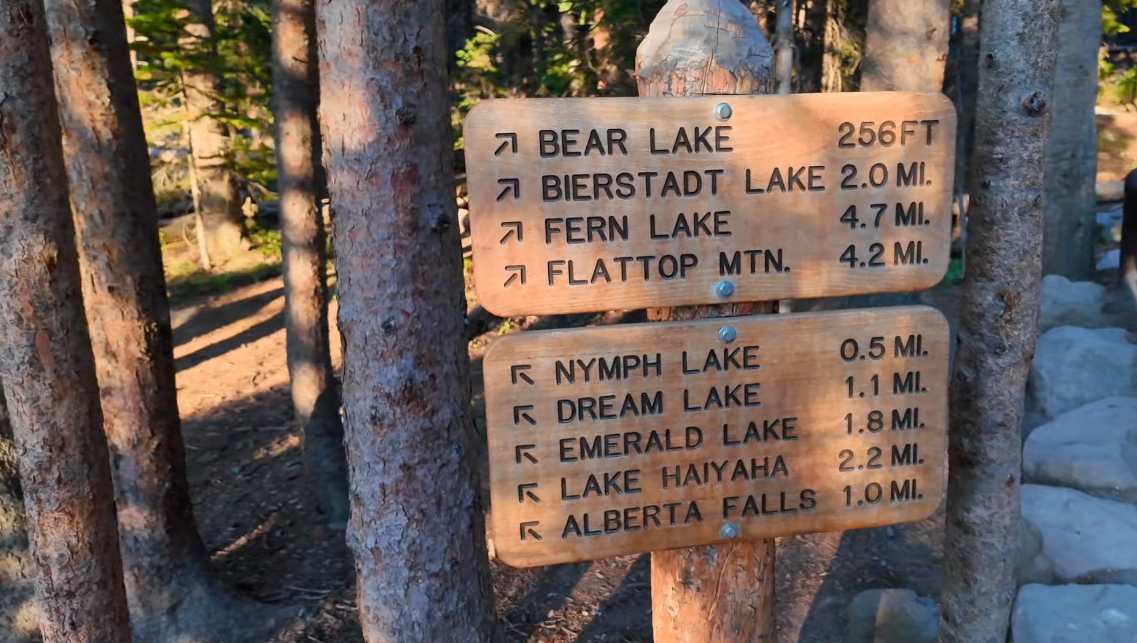
Bear Lake also serves as the main parking area and trailhead hub for the upper corridor. Whether you want to explore other alpine lakes like Nymph, Dream, and Emerald, hike to Bierstadt Lake, or climb to the top of Flattop Mountain, it all happens from the Bear Lake area. And if you have hiked up from one of the lower trailheads, the shuttle system can give you a ride back down to your car.
The Alpine Lakes: Nymph, Dream, Emerald, and Lake Haiyaha
Starting from the Bear Lake Trailhead, the hike to Nymph, Dream, and Emerald Lakes is one of the most popular in the entire park, and for good reason. You get incredible variety in just 3.5 miles round trip.
Nymph Lake is peaceful and scenic, with lily pads floating across the surface. A little further up, Dream Lake opens up with dramatic cliffs and mountain views that feel straight out of a magazine. And then there is Emerald Lake at the top of the climb, with clear, cold water that makes every step worth it.
Lake Haiyaha is one of those spots that surprises people. A rockslide changed the water here a few years ago, and now glacial silt turns the lake into a surreal, milky turquoise. It is a slightly longer hike from Bear Lake, but once you see it, you will understand why it has become a must-see. Bring your camera. You will want proof that it really looks like that.
Alberta Falls: Big Reward, Short Hike
Alberta Falls is one of the most accessible waterfalls in Rocky Mountain National Park. You can reach it from either the Glacier Gorge or Bear Lake Trailhead. Starting from Bear Lake adds only about an extra tenth of a mile, and the trail winds through aspen groves along Glacier Creek before you reach the roaring 30-foot waterfall tumbling between granite walls.
If you want a big payoff without a huge time commitment, Alberta Falls is the hike for you. It is short, scenic, and consistently one of the most rewarding destinations in the corridor.
Moraine Park: Wildlife, Meadows, and Campground Access
Moraine Park is one of those spots in Rocky Mountain National Park that makes you stop in your tracks. This wide, glacier-carved meadow is a favorite hangout for elk, especially during the fall rut season. From mid-September to mid-October, you will hear bull elk bugling across the meadow and might even catch a few locking antlers. Pack your binoculars, give the wildlife plenty of space (at least two bus lengths), and take it all in. The views of the Continental Divide from here are incredible.
The big meadows in Moraine Park are also a common place to spot coyotes, and the Big Thompson River runs right through the valley. If you are into wildlife photography or simply want to experience the mountain landscape without a strenuous hike, Moraine Park delivers.
Moraine Park Campground was recently renovated and offers both tent and RV camping with updated restroom facilities. The campground is open to registered campers only and provides an immersive way to experience the park. Imagine waking up to elk bugling outside your tent and those Continental Divide views greeting you every morning.
Cub Lake and Fern Lake: Moraine Park's Trail Network
From Moraine Park, you can access two more fantastic hiking destinations. The Cub Lake Trail heads out through Moraine Park, climbing in elevation to reach a lily-covered lake where there is a good chance of spotting a moose. It is a rewarding hike that gives you a completely different perspective of the park.
At the very end of Fern Lake Road, the Fern Lake Trailhead connects to Fern Lake and all the way up to Bear Lake. This creates another fantastic interconnecting loop option. You can park at the Fern Lake Trailhead, hike up to Bear Lake, and take the shuttle back down. The flexibility of these connected trails is one of the things that makes the Bear Lake Corridor so special for hikers of all experience levels.
Getting Around: The Free Shuttle System
The free shuttle system is one of the most practical resources available in the Bear Lake Corridor. From late May through mid-October, two free shuttle routes operate daily from the Park and Ride Transit Hub on Bear Lake Road:
Bear Lake Route: Runs from Park and Ride up to Bear Lake with stops at Bierstadt Lake Trailhead and Glacier Gorge Trailhead. Shuttles run approximately every 10 to 15 minutes.
Moraine Park Route: Runs from Park and Ride through Moraine Park with stops at Sprague Lake, Hollowell Park, Tuxedo Park, Moraine Park Campground, Cub Lake Trailhead, and Fern Lake. This route runs approximately once every 60 minutes, so plan accordingly.
A Hiker Shuttle also runs from the Estes Park Visitor Center directly to the Park and Ride, where you can transfer to either in-park route. Hiker Shuttle tickets require a separate reservation through Recreation.gov.
Keep in mind that on summer weekends, the Park and Ride lot can fill up and there may be a wait for shuttle rides. Getting an early start makes a significant difference in your experience throughout the corridor.
Tips for Making the Most of Your Bear Lake Corridor Visit
• Start early. Getting into the park before 5:00 a.m. means you skip the permit requirement and avoid the crowds. Begin at Sprague Lake for sunrise, then work your way up to Bear Lake.
• Get your permits online ahead of time. Do not wait until the day of your visit. Permits for the Bear Lake Corridor are released on a rolling schedule and sell out quickly, especially for peak summer dates.
• Use the shuttle system. It is free, runs frequently on the Bear Lake route, and takes the stress out of finding parking. You can also start at one trailhead and end at another without worrying about getting back to your car.
• Visit in fall for elk viewing. Mid-September through mid-October brings the elk rut to Moraine Park, one of the most spectacular wildlife experiences in Colorado. No timed entry permit is needed during winter months.
• Bring binoculars and keep your distance. Park regulations require you to stay at least two bus lengths away from wildlife. Moose, elk, and other animals are commonly seen throughout the corridor.
• Check conditions before you go. Weather changes quickly in the Rockies. The Rocky Mountain National Park website has the latest information on trail conditions, road closures, and seasonal updates.
Living Near the Bear Lake Corridor: The Estes Park Lifestyle
One of the things that makes living in Estes Park so special is having world-class outdoor access right in your backyard. The Bear Lake Corridor is not just a vacation destination. For locals, it is a morning hike before work, a sunset photography session after dinner, or a fall tradition of watching the elk rut in Moraine Park.
If you are considering a move to Estes Park or anywhere in Northern Colorado's mountain communities, having this kind of access to Rocky Mountain National Park is a lifestyle advantage that is hard to replicate anywhere else. Whether you are planning a career change, considering retirement in the mountains, looking for a second home, or making a strategic lifestyle move, understanding the outdoor opportunities in the area is an important part of finding the right community for you.
Frequently Asked Questions About the Bear Lake Corridor
Q: Do I need a permit to drive the Bear Lake Corridor?
A: Yes, from late May through mid-October, a Timed Entry + Bear Lake Road permit is required to access the Bear Lake Road Corridor between 5:00 a.m. and 6:00 p.m. Permits are available at Recreation.gov for a $2 processing fee per vehicle. You can enter without a permit before 5:00 a.m. or after 6:00 p.m.
Q: Where should I park in the Bear Lake Corridor?
A: The Park and Ride lot, located just off Bear Lake Road near Glacier Basin Campground, is the recommended parking location. From there, free shuttles connect you to all major trailheads including Bear Lake, Glacier Gorge, and Sprague Lake. The Bear Lake parking lot fills early, especially on summer weekends.
Q: Is the Bear Lake loop trail accessible?
A: The Bear Lake loop is a 0.7-mile trail that circles the lake and is accessible for most visitors. Sprague Lake also offers a flat, ADA-accessible loop that is perfect for visitors of all mobility levels.
Q: When is the best time to see elk in the Bear Lake Corridor?
A: The best elk viewing is during the fall rut, mid-September through mid-October, in Moraine Park. Bull elk can be heard bugling across the meadow, and you may see them sparring. Early morning and evening visits provide the best wildlife viewing opportunities year-round.
Q: What are the best hikes in the Bear Lake Corridor?
A: Popular hikes include the Nymph, Dream, and Emerald Lakes trail (3.5 miles round trip from Bear Lake), Alberta Falls (a short, scenic waterfall hike accessible from Bear Lake or Glacier Gorge), Cub Lake (from Moraine Park), and the Bear Lake loop itself. Storm Pass Trailhead offers a quieter option with Continental Divide views.
Q: How does the free shuttle system work?
A: From late May through mid-October, two free shuttle routes operate from the Park and Ride lot on Bear Lake Road. The Bear Lake Route runs every 10 to 15 minutes to Bear Lake with stops at Bierstadt Lake and Glacier Gorge. The Moraine Park Route runs every 60 minutes to destinations including Sprague Lake, Cub Lake, and Fern Lake trailheads. A separate Hiker Shuttle runs from the Estes Park Visitor Center to Park and Ride (reservation required through Recreation.gov).
Q: Can I camp in the Bear Lake Corridor?
A: Yes, Moraine Park Campground (recently renovated) is located in the corridor and offers both tent and RV camping with updated restroom facilities. Glacier Basin Campground is also located near the Park and Ride area. Campground reservations can be made through Recreation.gov.
Watch the Full Bear Lake Corridor Tour
Want to see the Bear Lake Corridor for yourself? Watch our complete video tour on the Estes Park Living YouTube channel where Jeff walks you through every stop along the corridor, from a sunrise start at Sprague Lake to the elk meadows of Moraine Park. Bear Lake Corridor Guide | Best Hikes, Lakes & Permit Tips in Rocky Mountain National Park
Relevant Links
• Rocky Mountain National Park Timed Entry Permits
• Reserve Timed Entry + Bear Lake Road Permits on Recreation.gov
• Rocky Mountain National Park Shuttle Routes and Schedules
• Hiker Shuttle Tickets on Recreation.gov
• Exploring the Bear Lake Road Corridor (NPS)
• Estes Park Living YouTube Channel
• Signature Home Team Buyer's Guide
• Signature Home Team Seller's Guide
• Sign Up for the FREE Northern Colorado and Estes Park Market Report
• Join the Everything Estes Park Facebook Group
• Follow Signature Home Team on Instagram
• Signature Home Team on Facebook
About the Author: Jeff Abel is a licensed real estate agent and team lead with Signature Home Team, brokered by Keller Williams Top of the Rockies, specializing in Estes Park and Northern Colorado mountain communities. He shares insights about real estate and mountain living through the Estes Park Living channel.

Signature Home Team
| Estes Park Realtor - Signature Home Team | Keller Williams Top of the Rockies
or another way