
Published September 28, 2026
How Mountain Homes Stay Warm: What Estes Park Buyers Need to Know About Heating

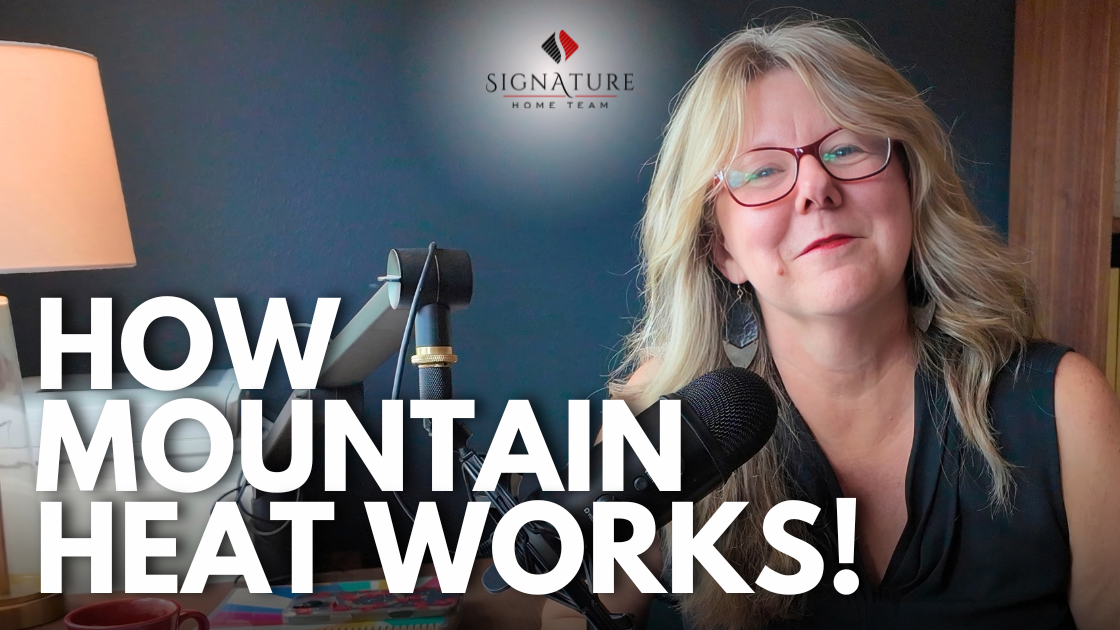
When buyers tour a mountain home, they spend a lot of time in the kitchen and even more time taking in the view. Those things matter. But there is one question almost nobody asks, and it shapes your entire winter budget: what actually heats this house?
If you are moving to Estes Park from out of town, heating is one part of your monthly costs that will likely look nothing like what you are used to. In this guide, we walk through how mountain homes stay warm, including propane and how it works, wood and pellet stoves, electric heat options, and what happens when the power goes out.
https://www.youtube.com/watch?v=gVA8jdPEtLw
Propane: Heating a Home Off the Gas Grid
Here is the big one. Most mountain homes around Estes Park are not connected to a municipal natural gas line. Instead, they run on propane stored in a tank on the property. A delivery truck comes out to fill it, and that fuel powers your furnace and often your range, water heater, and sometimes a fireplace too.
Propane works great. It burns clean and hot, and homes in the mountains have relied on it for decades. The real difference is that you become part of the supply chain in a way you never were in town. There is no meter quietly ticking away in the background. There is a tank in your yard, and it is now your job to know what is in it.
Owned or Leased: The First Question to Ask
The very first thing we want to find out about any property with propane is whether the tank is owned or leased. This one detail changes what you pay for heat every winter you live in the home.
• Owned tank: If the previous owner owned the tank, it can transfer with the home. That means you are free to shop around and buy propane from whichever supplier offers the best price that season. In our experience, pricing among local suppliers is very competitive.
• Leased tank: If the tank is leased from a propane company, you are generally tied to that company for your fuel. The upside is that the company typically handles maintenance on the tank, which some owners actually prefer.
Neither option is wrong. Both simply affect your costs, so it pays to know which one you are buying into before you close.
Tank Size and Delivery Options
The second thing to look at is the size of the tank. Propane tanks come in different capacities, and a bigger tank means fewer fills and more flexibility to buy when prices are good.
Then there is how the tank gets filled. Most propane companies offer two options:
• Automatic delivery: The company tracks the weather and your usage and tops off your tank before you start running low.
• Will call: You check the tank gauge yourself and call in a delivery when you need one.
For your first winter in the mountains, we recommend automatic delivery every single time. Running low on a cold night is not how you want to learn your usage patterns.
One more thing to keep in mind: some mountain addresses carry a small delivery surcharge simply because of how far the truck has to travel and what the road looks like getting there. For any property that sits well off the main roads, it is worth asking about.
A Timing Tip Longtime Residents Know
Here is a little insider tip. Propane prices tend to be lower in the warmer months than in the dead of winter, because demand is what drives them. Filling your tank in the off season, when heat is the last thing on your mind, can save you a meaningful amount over the course of the heating season.
Wood and Pellet Stoves: Real Heat With Real Responsibilities
Propane is rarely the whole story. Many homes in the mountains also have a wood stove or fireplace insert, and up here that is not just decoration. It is genuine heat, and it is heat that keeps working when the power goes out.
Inspect Wood-Burning Appliances as Part of Due Diligence
Wood-burning appliances should be inspected, and the chimney should be cleaned and evaluated during your due diligence period, the same way you would look at a furnace. Creosote buildup inside a chimney is a real fire risk, and it is entirely preventable with regular cleaning and maintenance.
Larimer County also has specific requirements for fireplaces, wood stoves, and inserts. You can review them in the county's fireplace and wood stove guidance.
Talk to Your Insurance Agent Early
Insurers ask about wood-burning appliances, and the answers can affect both your policy and your premium. Find out what is installed and whether it was professionally installed, then share that information with your insurance agent early in the buying process so there are no surprises close to closing.
Pellet Stoves: The Middle Ground
Many people opt for pellet stoves. They are more automated than a traditional wood stove and are easier to live with day to day. The trade-off is that pellet stoves need electricity to run, so they will not help much during a power outage.
Electric Heat Options in Mountain Homes
You will also see electric heat in plenty of homes around Estes Park. It usually shows up in one of three ways:
• Baseboard heat, most common in older homes
• Mini-split heat pumps, often found in newer or remodeled homes
• Radiant in-floor heat, which is wonderful to live with, especially on cold, snowy days
Electric systems are quiet and low maintenance. Just understand that with electric heat, your winter costs show up on your electric bill rather than as fuel deliveries. Ask the seller what those winter months look like, and have your agent request utility history so you can budget with real numbers.
What Happens When the Power Goes Out
That brings up one last piece of mountain living: the power does go out from time to time. Wind, heavy snow, and downed trees are all part of life up here. Most outages are brief, but it is worth knowing exactly how your particular home will handle one.
• Propane furnaces still need electricity for the blower and controls, so they stop when the power does.
• Wood stoves do not care. They keep putting out heat no matter what the grid is doing.
• Generators, whether a whole-house standby unit or a portable generator, can bridge the gap. If the home has one, find out what it powers and when it was last serviced.
Inside town limits, electric service is provided by the Town of Estes Park Power and Communications department, and the Town offers helpful power outage preparedness tips for residents. If you are looking outside town limits, ask which utility serves the property.
None of this is a reason to hesitate. It is simply the difference between getting caught off guard and being ready.
Your Mountain Home Heating Checklist
Before you close on a mountain property, here are the questions worth asking:
• What is the primary heat source, and what are the backup sources?
• If the home uses propane, is the tank owned or leased?
• What size is the propane tank, and who is the current supplier?
• Does the property carry a delivery surcharge because of its location or road access?
• Have the wood stove, fireplace, and chimney been recently inspected and cleaned?
• Were wood-burning appliances professionally installed, and how will they affect insurance?
• What have winter utility bills looked like for the current owner?
• Is there a generator, what does it power, and when was it last serviced?
Planning Your Move to Estes Park
If you are relocating to Estes Park from out of the area, we put together a free Relocation Guide that walks you through the things you cannot Google in an afternoon, from neighborhoods and utilities to what mountain living is actually like day to day.
Heating is also a real part of your monthly housing budget. If you are planning a purchase, our lending partner Harriette Woodard with Bank of Colorado Mortgage can help you factor those costs into your overall plan.
Have questions about a specific property, or thinking about making a move? We would love to be a resource for you. At Signature Home Team, we are here to help you feel confident about every part of mountain homeownership, including how you will stay warm all winter long.
Helpful Resources
• Relocation Guide
• Home Buyer Guide
• Home Seller Guide
• What's My Home Worth?
• Harriette Woodard, Bank of Colorado Mortgage
Stay Connected
• Estes Park Living on YouTube
• Everything Estes Park Facebook Group
• Signature Home Team on Instagram
• Signature Home Team on Facebook
About the Author: Julie Abel is a licensed real estate agent with Signature Home Team, brokered by Keller Williams Top of the Rockies, specializing in Estes Park and Northern Colorado mountain communities. She shares insights about real estate and mountain living through the Estes Park Living channel.