
Categories
Market Updates, Real Estate Guides and InsightsPublished October 25, 2025
Mortgage Rates vs. Fed Cuts: Should You Wait to Buy in 2025?

Mortgage Rates vs. Fed Cuts: Should You Wait to Buy in 2025?
If you've been watching mortgage rates closely, you might have noticed something puzzling: the Federal Reserve has cut rates twice recently, yet mortgage rates actually went up. What's going on? And more importantly, if you're considering buying a home in Estes Park or Northern Colorado's mountain communities, should you wait for rates to drop, or is now the time to make your move?
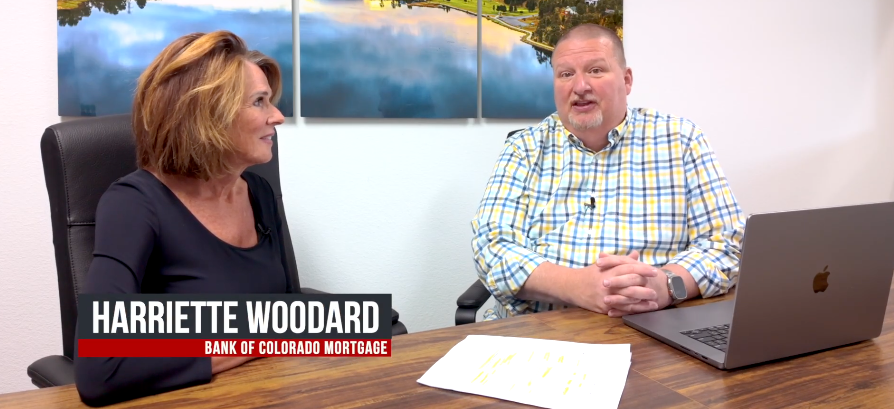
We sat down with Harriette Woodard, mortgage expert with Bank of Colorado, to break down what's really happening with mortgage rates, how Federal Reserve decisions affect your home buying power, and why waiting for the "perfect" rate might actually cost you more in the long run.
The Surprising Truth About Fed Cuts and Mortgage Rates
Here's what most people don't understand: when the Federal Reserve cuts rates, mortgage rates don't automatically follow. In fact, they often move in the opposite direction, at least in the short term. This isn't a glitch in the system - it's how the market actually works.
As Harriette explains it, "Mortgage rates live in a different neighborhood than the Fed rate." The Fed controls the overnight lending rate between banks - that's the rate you hear about in the news. But mortgage rates are tied to long-term bonds, and they're influenced by completely different factors: inflation expectations, government spending, and investor confidence.
Why Do Mortgage Rates Sometimes Rise When the Fed Cuts?
The key to understanding this is timing. By the time the Fed actually announces a rate cut, investors have already been trading for weeks or even months based on what they think the Fed is going to do. The rate cut has already been "priced in" to the mortgage market.
When the Fed finally makes the cut official, the market doesn't react to the announcement itself. Instead, it reacts to what comes next. If investors believe the rate cut signals that inflation is cooling and the economy is softening, mortgage rates typically fall. But if there's concern that inflation might spike again or that government spending will continue pushing prices up, long-term bond yields rise - and mortgage rates rise right along with them.
According to data from the Mortgage Bankers Association, this pattern has played out multiple times over the past several decades. Mortgage rates respond to expectations about the future, not just to what the Fed does today.
Beyond the Fed: What Else Can Affect Your Mortgage Rate?
While the Federal Reserve gets most of the attention, there are other government actions that can have an even more direct impact on mortgage rates. Harriette identifies three key areas where policy changes could help bring rates down:
• Supporting Liquidity in the Mortgage Market: The government can make it more attractive for investors to buy mortgage-backed securities through incentives, tax credits, or guarantees. When demand for these securities increases, investors don't need as much of a cushion, which helps bring rates down.
• Reducing Market Uncertainty: Clear communication and predictable policies help investors feel secure. When regulations are consistent and there are fewer surprises, investors are more willing to accept lower returns on mortgage-backed securities.
• Targeted Banking Deregulation: After 2008, banks became much more cautious about investing in mortgage assets. Carefully targeted deregulation could make it more attractive for banks to invest in mortgage-backed securities without compromising financial stability.
Right now, there's an unusual spread between 10-year Treasury bonds and 30-year mortgage rates. Historically, that spread should be about 1.75 to 2 percentage points. Recently, it's been running closer to 3 percentage points. If that spread just normalized back to historical averages, we'd be looking at mortgage rates in the fives - regardless of what the Fed does next.
The Real Question: Should You Wait for Rates to Drop?
Here's where the conversation shifts from economic theory to practical advice for your life. If you've been hearing constantly that rates are going to fall over the next year or 18 months, your first instinct might be to wait. But as Harriette points out, that's often the wrong move.
"The market doesn't wait," Harriette explains. "And interest rates aren't the only thing you should consider when buying real estate. What you need to do is time the market to your life."
There's an old saying in real estate: when's the best time to buy a house? Yesterday. Even in times when people were told to wait - like in 2008 or early 2020 when uncertainty was at its peak - that turned out to be wrong advice. Those who invested during uncertain times often saw the greatest wealth building opportunities.
Why Now Might Be Your Best Opportunity
The best time to buy is when other people are hesitating. Real estate is a long-term play, and equity and appreciation will always outweigh the short-term pain of a higher interest rate. Here's what's happening in today's market that makes it particularly interesting for buyers:
• Less Competition: While everyone else is waiting for rates to drop, you have more negotiating power. Remember when rates were at historic lows? Buyers were paying $75,000 to $100,000 over asking price just to compete. That's not happening right now.
• Room to Negotiate: Higher inventory combined with cautious buyers means you can often negotiate a lower purchase price. That price reduction can offset the "higher" interest rate - and unlike your interest rate, you can't renegotiate your purchase price later.
• Refinance Is Always an Option: You can refinance when rates drop, but you can't go back and buy the house for yesterday's price. As Harriette puts it: "You can always refinance, but you can't go back and buy the house for yesterday's price."
• Rates Are Still Historically Normal: Today's rates might feel high compared to the pandemic-era lows, but they're well within historical averages for the past 30 to 50 years. What was abnormal was the ultra-low rates of 2020-2021, not today's rates.
When rates do start to fall, demand will surge. The market will become intensely competitive again. If you wait for the "perfect" rate, you'll likely end up paying significantly more for the house itself - potentially wiping out any savings from a lower rate.
Real Estate Is More Than a Financial Transaction
For those of us who specialize in Colorado's mountain communities, there's another dimension to consider. Moving to Estes Park or the surrounding mountain areas isn't just about finding a good interest rate. It's about pursuing a lifestyle, making an intentional life transition, and finding your place in a community that matters to you.
As Harriette reminds us, "Housing isn't just a financial transaction. It's a long-term wealth play, it's a hedge against inflation, and mostly - it's your home."
If you're dreaming of mountain living, if you're ready for that career change or retirement move, if the right property comes along that checks all your boxes - don't let interest rate anxiety keep you on the sidelines. The memories you'll make, the lifestyle you'll live, and the community connections you'll build aren't something you can put a rate on.
Getting Prepared: What Buyers Should Do Now
Rather than asking "should I wait?", Harriette suggests buyers should be asking "am I ready?" Here's how to position yourself for success in today's market:
• Get Pre-Approved: Understanding your buying power and having a pre-approval in hand means you can move quickly when the right property appears. Working with a local lender who understands mountain market nuances makes this process smoother. Harriette can walk you through this process and help you understand exactly what you qualify for.
• Understand Your Full Financial Picture: It's not just about the mortgage payment. Consider property taxes, HOA fees (common in mountain communities), insurance costs (which can be higher in mountain and wildfire-prone areas), and maintenance. Know your comfortable monthly payment and work backwards from there.
• Research the Market: Different mountain communities offer different lifestyles and price points. Whether you're looking at Estes Park, Lyons, or other Northern Colorado mountain areas, understanding inventory trends and typical days on market will help you make informed decisions. Our monthly Northern Colorado market reports can help you stay informed.
• Work With Local Specialists: Mountain real estate has unique considerations - from well and septic systems to snow access and wildlife management. Having a team that understands these nuances (both on the lending and real estate side) ensures you're making decisions with full information.
The Right Strategy for Different Buyers
Harriette breaks down the current opportunity by buyer type:
• For Primary Home Buyers: Get ahead of the curve. Purchase now, refinance later when rates drop. You'll lock in today's prices and can always improve your rate through refinancing. Plus, you start building equity immediately rather than paying rent that will never come back to you.
• For Sellers: List now while inventory is still relatively tight. Once rates drop and buyer demand surges, you'll face more competition from other sellers. The current market offers a sweet spot of reasonable buyer activity without overwhelming competition from other listings.
• For Investors: Focus on markets where rent remains strong and appreciation is predicted. Our Northern Colorado mountain communities check both boxes. Rental demand stays consistent year-round, and limited inventory combined with high desirability creates strong appreciation potential.
Understanding Your Refinancing Options
One of the biggest advantages of buying now is that refinancing gives you flexibility later. According to the Consumer Financial Protection Bureau, refinancing can make sense when rates drop by as little as 0.75% to 1%, depending on how long you plan to stay in the home and your closing costs.
Here's how the math typically works: if you buy a home at today's rates and rates drop by even one percentage point in the next year or two, refinancing could save you hundreds of dollars per month. Meanwhile, you've been building equity the entire time, your monthly payment has been going toward ownership rather than rent, and you've locked in a purchase price that may be significantly lower than what you'd pay in a more competitive market.
The "buy now, refinance later" strategy means you're not gambling on perfect timing. You're taking advantage of today's opportunity (less competition, more negotiating room) while keeping your options open for rate improvements down the road.
What This Means for Colorado Mountain Communities
In markets like Estes Park and surrounding Northern Colorado mountain communities, the dynamics Harriette describes play out in specific ways. These areas have naturally limited inventory - you can't just build more land next to Rocky Mountain National Park. When rates drop and buyer activity surges, competition intensifies quickly.
We saw this during the pandemic when rates hit historic lows. Mountain properties that might have sat on the market for 90-120 days were receiving multiple offers within days. Buyers waived inspections, offered tens of thousands over asking, and competed fiercely for properties they'd never even seen in person.
Right now, we're in a much more balanced market. Inventory has improved from the extreme lows of 2020-2022. Sellers are motivated but realistic. Buyers have time to do proper due diligence, negotiate terms that matter to them, and make thoughtful decisions about which property and community best fits their vision for mountain living.
This balance won't last forever. When rates drop, it will shift quickly. Those who position themselves now - getting pre-approved, understanding the market, identifying their target neighborhoods - will be ready to act when the right opportunity appears.
Beyond the Numbers: The Real Value of Mountain Living
At Signature Home Team, we work with buyers making all kinds of transitions - career changes, retirement moves, second home purchases, strategic lifestyle upgrades. What we've learned is that the decision to move to the mountains is rarely just about the financial numbers.
Yes, you want to make a smart investment. Yes, you want to get good value and favorable terms. But you're also pursuing something bigger: a lifestyle that aligns with who you are and who you want to be. You're joining a community, gaining access to incredible outdoor recreation, and creating a foundation for the next chapter of your life.
If you wait for every financial indicator to be perfect, you might miss the property that's perfect for your life. The home with the spectacular mountain views. The neighborhood where you instantly feel at home. The community where you can envision building lasting relationships.
As Harriette wisely notes, housing is more than a financial transaction. It's your home. And the right time to buy your home is when it fits your life, not when some economic indicator tells you the timing is perfect.
Taking the Next Step Toward Mountain Living
If you're considering a move to Estes Park or Northern Colorado's mountain communities, here's what we recommend:
• Connect with Harriette: Get pre-approved and understand your buying power. Harriette can walk you through current mortgage options and help you understand the full financial picture. You can reach her at Bank of Colorado.
• Stay Informed: Download our free Home Buyer's Guide for insights on navigating the mountain real estate market. Sign up for our monthly market reports to track trends in real time.
• Explore the Community: Join the Everything Estes Park Facebook group to connect with locals and stay current on what's happening in town. Follow our Estes Park Living YouTube channel for video tours and market insights.
• Talk to Local Specialists: Our team at Signature Home Team specializes in helping discerning buyers navigate the unique aspects of mountain real estate. We understand everything from well systems and septic to HOA structures and wildlife management. We'd welcome the opportunity to be your resource as you explore mountain living.
The question isn't really "should I wait for rates to drop?" The question is "am I ready to take the next step toward the life I want?" If the answer is yes, let's talk about how we can help make that happen.
Relevant Links & Resources
Mortgage & Financial Information:
• Harriette Woodard - Bank of Colorado Mortgage
• Mortgage Bankers Association
• Consumer Financial Protection Bureau
Signature Home Team Resources:
• Download Free Home Buyer's Guide
• Download Free Home Seller's Guide
• Sign Up for FREE Market Reports
• Everything Estes Park Facebook Group
• Estes Park Living YouTube Channel
About the Author: Jeff Abel is a licensed real estate agent with Signature Home Team, brokered by Keller Williams Top of the Rockies, specializing in Estes Park and Northern Colorado mountain communities. He shares insights about real estate and mountain living through the Estes Park Living channel.

Signature Home Team
| Estes Park Realtor - Signature Home Team | Keller Williams Top of the Rockies
or another way