
Categories
Real Estate Guides and Insights, Things To Do and Outdoor ActivitiesPublished May 9, 2026
Spring in Estes Park: 5 Surprises for Mountain Living Newcomers

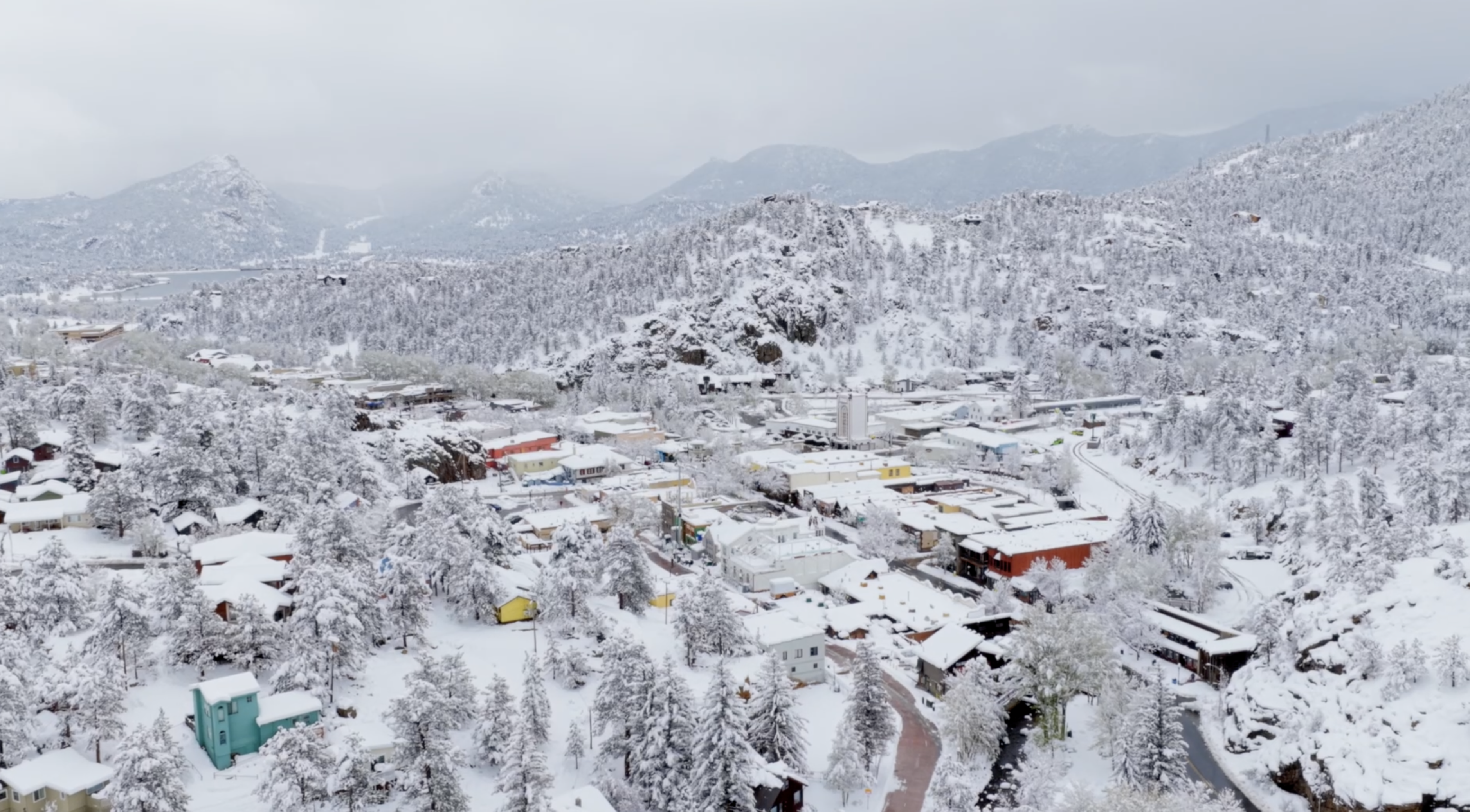
Spring in Estes Park: 5 Surprises for Mountain Living Newcomers
It's the first week of May, and there are sixteen inches of snow on the ground in Estes Park. If you're considering a move to Colorado's mountain communities, spring here operates on a completely different timeline than you might expect. Understanding these seasonal surprises isn't just helpful for planning your relocation or visit; in one case, it could genuinely save your life.
Whether you're planning a career change, considering retirement, exploring a second home, or making a strategic lifestyle move to the mountains, knowing what spring actually looks like in Estes Park helps you prepare for the reality of mountain living. From unexpected snowstorms to wildlife encounters, spring in the Rockies follows its own rules.
May Snow Is Normal (And Sometimes Heavy)
If you're relocating from the Midwest or Texas, seeing snow in May probably sounds absurd. In Estes Park, it's just spring. Estes Park averages 82 inches of snow per year, and about 41 percent of our annual precipitation falls during spring. That means snow in April, May, and sometimes even early June.
Right now, in early May 2026, we have sixteen inches of fresh snow on the ground after a dry winter. For those of us who live here year-round, this isn't a crisis or an anomaly. This is spring delivering the moisture our forests and watersheds desperately need.
What This Means for Your Move
If you're closing on a home in April or May, don't pack away your winter gear. Keep your snow shovel accessible, and make sure you have four-wheel drive or all-wheel drive. Spring snow is often heavier and wetter than winter powder, which makes it harder to drive through and more challenging to clear from driveways.
The good news? This late-season snow is actually critical for our mountain ecosystem. After a dry winter, May snow helps prevent summer wildfires, fills reservoirs, and keeps our forests healthy. When you see snow covering your new mountain property in May, don't panic. It's part of what makes this place so special and sustainable.
Trail Ridge Road Opens Later Than Visitors Expect
Trail Ridge Road, the highest continuous paved road in North America, doesn't open in early May like many first-time visitors expect. It typically opens around Memorial Day weekend, but that date can vary by several weeks depending on snowfall and spring storms.
This scenic route through Rocky Mountain National Park tops out at over 12,000 feet, and at that elevation, snow stays buried well into late spring. In some years, it doesn't fully open until mid-June. National Park Service plow crews begin clearing snow in mid-April, working from both the east and west sides until they meet at the Alpine Visitor Center, which sits at 11,796 feet above sea level.
May storms with significant winds at higher elevations often hamper plowing operations, creating deep snow drifts and icy conditions that extend the timeline. The National Park Service usually announces the opening date about a week in advance, and you can track progress on their website at www.nps.gov/romo or call the Trail Ridge Road recorded status line at (970) 586-1222.
Planning Your Move or Visit
If you're planning to move to Estes Park in early May expecting to drive Trail Ridge Road, adjust your expectations. Spring access to some areas of Rocky Mountain National Park remains limited until late May or early June. This timing also affects home inspections, moving schedules, and early exploration of your new mountain community.
Elk Calving Season Coincides With Spring Snow
Around 3,000 elk live in and around Estes Park and Rocky Mountain National Park, and late spring is when cows give birth to their calves. Elk calving season happens in late May and early June, right when we're still getting spring snow. This timing creates a critical safety situation that every mountain newcomer needs to understand.
Mother elk are extremely protective during this time, and they will charge if they feel threatened. This isn't theoretical. Every year, people get injured because they underestimate how fast and aggressive a protective mother elk can be.
Essential Elk Safety Rules
• Stay at least two bus lengths away from elk. That's about 75 feet minimum.
• Never get between a mother and her calf, even if it doesn't look like they're together.
• If you're hiking, be extra aware in early morning or late evening when elk blend into the landscape.
• If an elk lays her ears back, raises her head high, or starts walking toward you, you're too close. Back away slowly and give her space.
Elk aren't aggressive by nature, but maternal instinct overrides everything during calving season. Respect their space, and you get to enjoy observing these magnificent animals safely as part of your daily mountain life.
Gardening Doesn't Start Until June
If you love gardening and you're used to planting in April or early May, you'll need to completely adjust your timeline for mountain living. Estes Park sits in USDA Hardiness Zone 5a, where the average last frost date is around April 15. But that's just an average, and as the sixteen inches of snow outside in early May demonstrates, frost can hit well into late spring.
Experienced mountain gardeners here don't put tender plants in the ground until after Memorial Day at the earliest, and many wait until the first week of June to be safe. If you're moving here with plans to start your vegetable garden in April like you did back home, plan to use that time for greenhouse work or indoor seed starting instead.
The Upside of Mountain Gardening
Once things get going, our cool nights and intense sunlight create incredible growing conditions. You can grow amazing vegetables and flowers here. You just have to be patient and work with the mountain climate, not against it. Greenhouses and cold frames work great if you want to extend your season, but outdoor gardens need to wait for June.
Bears Wake Up Hungry (This One Could Save Your Life)
This is the surprise that could genuinely save your life or at least save you from a very expensive and dangerous problem. Bears emerge from hibernation between March and May, right when spring activity picks up. And they wake up hungry.
Here's what most new mountain residents don't realize: there's a huge difference between living with wildlife and accidentally attracting wildlife. Bears can smell food from miles away, and once a bear associates your property with food, they'll keep coming back. When that happens, the bear will likely be euthanized, and you could face fines.
The Six Things That Attract Bears
Proper bear-aware habits come down to managing these six attractants:
• Trash: Use bear-proof containers and don't put trash out the night before pickup. Wait until morning.
• Bird feeders: Take them down by April 1 and keep them down until at least November. Bird seed is a major bear attractant.
• Pet food: Never leave dog or cat food outside. Bring food bowls inside as soon as your pet finishes eating.
• BBQ grills: Clean your grill thoroughly after every use and store it in a garage or shed if possible. The smell of grease brings bears right to your deck.
• Food in vehicles: Don't leave groceries, fast food, or even chapstick in your car overnight. Bears will break windows to get to anything that smells like food.
• Garage doors: Keep attached garage doors closed, especially at night. Bears will walk right into an open garage looking for freezers, trash cans, or anything edible.
Colorado Parks & Wildlife provides comprehensive resources on living with bears at cpw.state.co.us/living-bears. If you're moving to Estes Park, start practicing bear-aware habits before you even move in. It's not about being scared. It's about being smart and respectful of the wildlife that was here first.
Spring in the Rockies Follows Its Own Timeline
Spring in Estes Park doesn't follow the same rules as spring in other places. May snow is normal. Trail Ridge Road opens late. Elk are protective during calving season. Gardening waits until June. And bears wake up hungry.
Once you understand the rhythm of mountain seasons, these surprises become part of the appeal. The late snow that waters our forests, the protected elk calving grounds, the patient gardening timeline, and the bear-aware lifestyle all contribute to what makes living in Estes Park so special. You're not just buying a home here. You're becoming part of an ecosystem that demands respect and rewards those who learn to work with it.
Ready to Make Your Mountain Move?
Understanding mountain living goes beyond homes and neighborhoods. It's about understanding the lifestyle, the seasons, and the commitment to living responsibly with wildlife and weather that follows its own rules. At Signature Home Team, we specialize in helping discerning buyers and sellers navigate Estes Park's real estate market with the local expertise and five-star service that makes your mountain transition seamless.
Whether you're considering a career change, planning retirement, looking for a second home, or making a strategic lifestyle move to Northern Colorado's mountain communities, we'd welcome the opportunity to be your resource. Our proven Signature Way system ensures you receive innovative marketing, dedicated specialist support, and genuine care throughout your real estate journey.
Resources
Colorado Parks & Wildlife - Living with Bears
Estes Park Living YouTube Channel
Everything Estes Park Facebook Group
About the Author: Julie Abel is a licensed real estate agent with Signature Home Team, brokered by Keller Williams Top of the Rockies, specializing in Estes Park and Northern Colorado mountain communities. She shares insights about real estate and mountain living through the Estes Park Living channel.

Signature Home Team
| Estes Park Realtor - Signature Home Team | Keller Williams Top of the Rockies
or another way