
Categories
Things To Do and Outdoor ActivitiesPublished November 8, 2025
Visiting Estes Park? How to Avoid Altitude Sickness and Enjoy Your Mountain Getaway
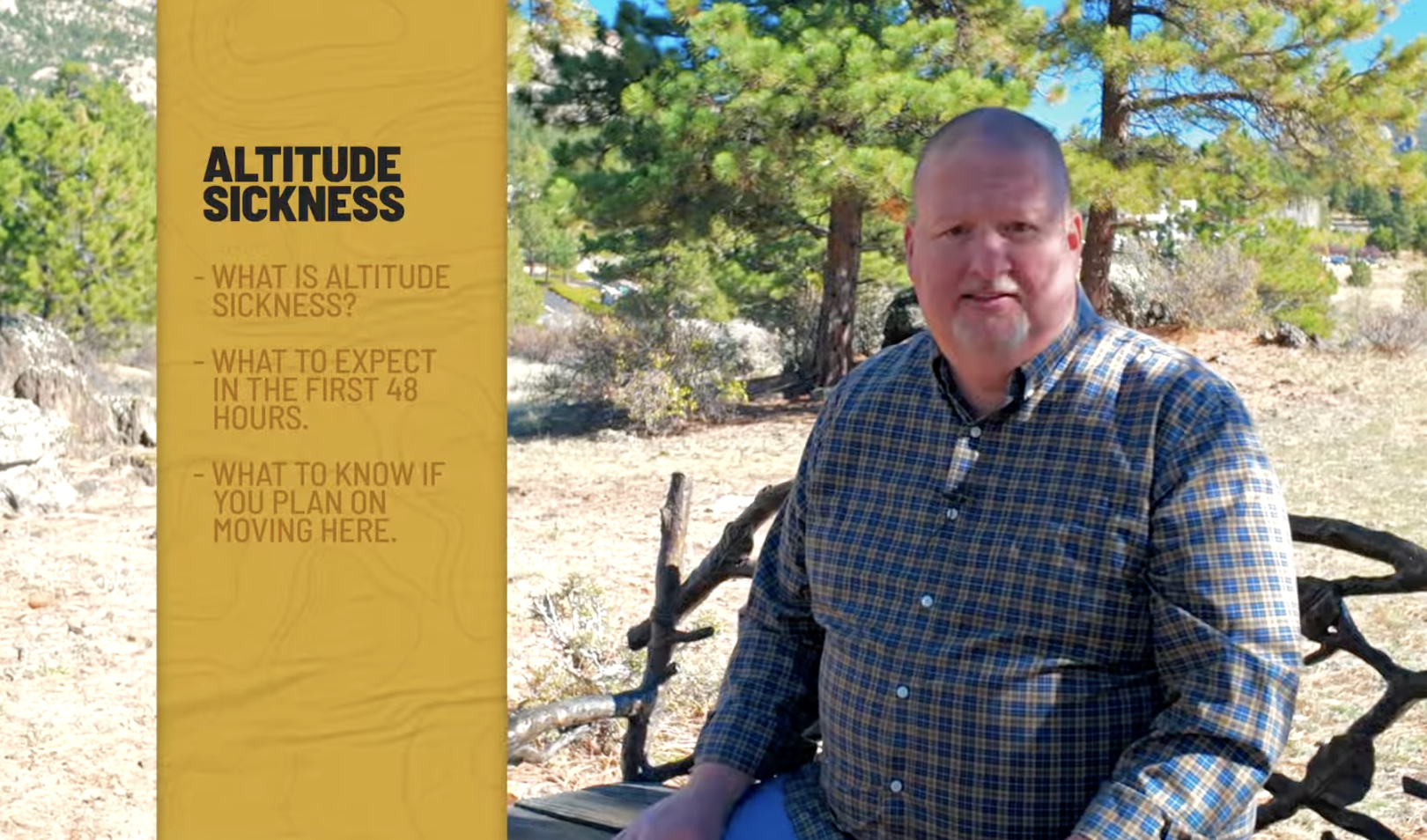
Visiting Estes Park? How to Avoid Altitude Sickness and Enjoy Your Mountain Getaway
Planning a trip to Estes Park? Whether you are flying into Denver International Airport or driving in from the Front Range, one of the most important things you can do for your visit is prepare for the altitude. Estes Park sits at approximately 7,500 feet above sea level, and that elevation change can catch visitors off guard if they are not ready for it.
The good news is that with a little planning, most people adjust comfortably within the first couple of days. In this guide, we will walk you through what altitude sickness is, what to expect during your first 48 hours in the mountains, and how to set yourself up for an incredible visit to one of the most beautiful places on the planet.
If you are also considering making Estes Park more than just a vacation destination, we will cover what the longer-term adjustment looks like for people moving to this mountain community.
What Is Altitude Sickness?
Altitude sickness, also called acute mountain sickness, happens when you gain elevation faster than your body can adapt. At higher elevations, each breath contains less oxygen. Your body needs time to adjust how it delivers oxygen to your brain and muscles, and that recalibration process is what causes symptoms.
Most people begin to notice symptoms within 6 to 24 hours after arriving at elevation. Common symptoms include:
• Headache
• Fatigue or weakness
• Nausea or upset stomach
• Dizziness or lightheadedness
• Shortness of breath, especially during physical activity
• Restless or lighter sleep than usual
• Mild swelling in hands or face
For most visitors, these symptoms improve within a couple of days as your body acclimates to the thinner mountain air.
Your First 48 Hours: What to Expect in Estes Park
The first 24 to 48 hours at elevation are when symptoms are most likely to appear, and when the choices you make have the biggest impact on how you feel.
Stairs and hills may feel harder than usual. Your heart rate may run higher during a walk that would feel easy at lower elevation. Even a gentle stroll through a beautiful open space like Knoll Willows in downtown Estes Park can feel different when you first arrive. Sleep often feels lighter the first night or two as your body adjusts.
The key takeaway: do not schedule your biggest hike on day one. Give your body time to settle in, and you will be rewarded with a much better experience on the trails. For a beautiful, low-key first outing, check out Julie's video tour of Knoll Willows Open Space, a stunning green space right in the heart of downtown.
A Smart Plan for Arriving at Altitude
Whether you are flying into Colorado or driving from the Front Range, these practical tips can help you feel your best from day one:
• Consider a buffer night in Denver. If you are coming from sea level or have experienced altitude sickness before, spending a night in Denver at 5,280 feet gives your body a head start before heading up to Estes Park.
• Arrive well hydrated. Bring a reusable water bottle and make it your constant companion. Staying hydrated is one of the simplest and most effective ways to help your body adjust.
• Keep day one easy. Choose gentle walking over strenuous hiking. Save the big adventures for day two or three when your body has had time to acclimate.
• Limit alcohol for the first day or two. Alcohol can intensify altitude symptoms and contribute to dehydration.
• Keep caffeine moderate. A cup of coffee is fine, but overdoing it can add to dehydration.
• Choose simple, higher-carbohydrate meals. Your body processes carbs more efficiently at altitude than heavy, high-fat meals.
• Sleep lower, play higher. If possible, enjoy day trips to higher elevations like Rocky Mountain National Park while spending your nights in town at the lower base elevation.
• Pick up a can of supplemental oxygen. Boost Oxygen and similar products are available at pharmacies and gift shops throughout Estes Park. They can provide quick relief if you are feeling the effects of altitude.
Talk to Your Doctor Before You Go
If you have experienced altitude issues before or you have a packed itinerary where you need to perform at your best, consider talking with your doctor before your trip. They may have specific recommendations based on your health history.
This guide shares general wellness information and is not intended as medical advice. Always consult your healthcare professional about your specific situation.
When to Take Altitude Symptoms Seriously
Most cases of altitude sickness in Estes Park are mild and resolve on their own with rest and hydration. However, there are red flags that should not be ignored:
• A severe headache that does not improve with rest or over-the-counter medication
• Confusion or difficulty walking steadily
• Shortness of breath while resting
• A persistent wet cough
If you experience any of these symptoms, stop gaining elevation and rest. Consider heading to a lower elevation, and if necessary, seek medical care. Estes Park Health is the local medical center and a resource for visitors who need assistance.
Moving to Estes Park? What Long-Term Altitude Adjustment Looks Like
If you are thinking about making Estes Park your full-time home, the adjustment timeline extends beyond a vacation visit. Most new residents settle into a comfortable routine within the first 3 to 5 days, with continued improvement over 1 to 3 weeks.
During that adjustment period, you will notice exertion becoming easier, breathing calming down, and sleep quality improving. Your body adapts by producing more red blood cells, slightly increasing your breathing rate, and improving oxygen delivery to your muscles. Many locals describe this as free altitude training, and over time, most residents notice improved stamina.
For most healthy people, long-term issues at Estes Park's elevation are uncommon once they have adjusted. However, some situations do call for a conversation with your doctor before or shortly after moving:
• Chronic lung conditions such as COPD
• Pulmonary hypertension or heart failure
• Sleep apnea
• Pregnancy
• Anemia
Support may be as simple as adjusting a CPAP setting, pacing activities, or monitoring oxygen levels under medical guidance. Having a plan with your clinician helps you settle into mountain life confidently.
Is Estes Park Right for Your Next Chapter?
The altitude is a real consideration, but for the vast majority of visitors and new residents, it is something your body handles naturally with a little preparation and patience. The reward is living in or visiting one of the most stunning mountain communities in Colorado, with access to Rocky Mountain National Park, a vibrant downtown, and a welcoming community that makes you feel at home.
Whether you are planning a visit or considering a move to Estes Park, understanding how altitude affects you and having a plan for those first few days sets you up to enjoy everything this incredible place has to offer.
Ready to Explore Estes Park?
At Signature Home Team, we help people navigate not just the real estate market, but the full experience of finding their place in Colorado's mountain communities. Whether you are visiting and falling in love with the area or you are ready to make the move, we would welcome the opportunity to be your resource.
Our proven Signature Way system ensures you receive genuine care, innovative marketing, and dedicated specialist support throughout your real estate journey. Reach out today to discuss your mountain living goals and discover how we can help you find your place in Estes Park.
Frequently Asked Questions About Altitude Sickness in Estes Park
Q: What elevation is Estes Park, Colorado?
Estes Park sits at approximately 7,500 feet above sea level. This is significantly higher than Denver (5,280 feet) and most cities visitors are traveling from, which is why altitude preparation matters.
Q: How long does altitude sickness last in Estes Park?
Most visitors experience symptoms within 6 to 24 hours of arrival, and symptoms typically improve within 1 to 2 days with proper hydration, rest, and gradual activity. For people moving to Estes Park full-time, the full adjustment typically takes 1 to 3 weeks.
Q: Can you get altitude sickness at 7,500 feet?
Yes. Altitude sickness can occur at elevations as low as 5,000 feet, though it is more common above 8,000 feet. At 7,500 feet, Estes Park is high enough that many visitors, especially those arriving from sea level, notice symptoms during their first day or two.
Q: What is the best way to prevent altitude sickness when visiting Estes Park?
Stay well hydrated, keep your first day easy with gentle activities, consider a buffer night in Denver if coming from sea level, limit alcohol, and choose higher-carbohydrate meals. Supplemental oxygen canisters are also available at shops throughout town.
Q: Should I spend a night in Denver before going to Estes Park?
If you are coming from sea level or have a history of altitude sickness, spending a night in Denver at 5,280 feet can help your body begin adjusting before you head up to 7,500 feet. This is especially helpful if you are flying in from a coastal city.
Q: Is the altitude in Estes Park dangerous?
For most healthy people, the altitude in Estes Park is not dangerous. Mild symptoms are common but manageable. However, severe symptoms like persistent headache, confusion, or shortness of breath at rest should be taken seriously. People with certain medical conditions should consult their doctor before visiting or moving to high elevation.
Relevant Links
Knoll Willows Open Space Video Tour: https://youtu.be/nPbbb7B5jq4
Estes Park Living YouTube Channel: https://www.youtube.com/@EstesParkLiving
Home Buyer Guide: https://bit.ly/SignatureHomeTeamBuyerGuide
Home Seller Guide: https://bit.ly/SignatureHomeTeamSellersGuide
Free Northern Colorado and Estes Park Market Report: https://bit.ly/NoCoEPMarketReport
Everything Estes Park Facebook Group: https://bit.ly/EverythingEstesPark
Instagram: http://instagram.com/signaturehometeam/
Facebook: https://www.facebook.com/SignatureHomeTeam
Request a Home Valuation: https://www.signaturehometeam.com/home_value
Preferred Lending Partner, Harriette Woodard: https://www.bankofcolorado.com/people/mortgage/HARRIETTE-WOODARD
About the Author: Jeff Abel is a licensed real estate agent with Signature Home Team, brokered by Keller Williams Top of the Rockies, specializing in Estes Park and Northern Colorado mountain communities. He shares insights about real estate and mountain living through the Estes Park Living channel.

Signature Home Team
| Estes Park Realtor - Signature Home Team | Keller Williams Top of the Rockies
or another way